Why Deep-V Hulls Handle Rough Water Better
The number that defines offshore performance is 24 degrees—the typical deadrise angle where deep-V hulls prove their worth in rough seas. This angle, measured at...
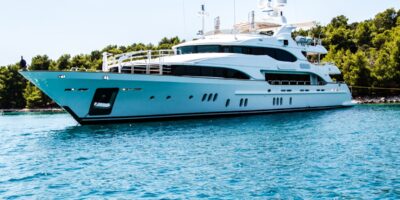
The number that defines offshore performance is 24 degrees—the typical deadrise angle where deep-V hulls prove their worth in rough seas. This angle, measured at...

The choice between deep-V monohulls and catamarans represents one of boating’s most fundamental decisions. Each hull form offers distinct advantages that match different boating styles,...

No propeller, no cavitation, no damage from running aground—jet drives have earned a devoted following among boaters who work
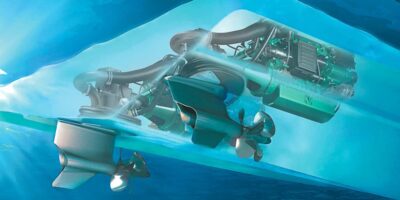
When Volvo Penta introduced IPS (Inboard Performance System) in 2005, they changed yacht propulsion forever. Pod drives—with

The fuel economics of boating often catch new owners by surprise. With diesel running around $6 per gallon and gasoline around
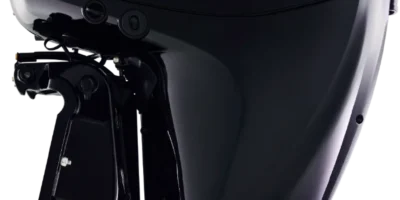
The outboard versus inboard debate has evolved dramatically over the past two decades, with outboard engines now powering an estimated 90% of new recreational boats...
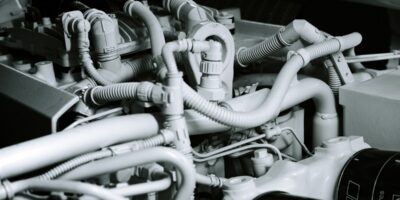
Choosing between twin 600-horsepower engines or quad 350-horsepower outboards represents one of the most significant decisions facing serious boat buyers today. This engine math fundamentally...

Boat canvas protects your vessel from sun damage, rain, and environmental wear while improving appearance and comfort. Proper care extends canvas life significantly, preserving your...

Marine heads require regular maintenance to function reliably and avoid the unpleasant problems that make boat bathrooms infamous. Understanding your head system and following proper...

Proper safety equipment turns emergencies from disasters into manageable situations. Understanding what gear is required, what’s recommended, and how to use it prepares you for...
Subscribe for Updates
Get the latest articles delivered to your inbox.
We respect your privacy. Unsubscribe anytime.