Boat maintenance has gotten complicated with all the conflicting advice and product marketing flying around. As someone who has maintained vessels ranging from day boats to long-range cruisers, I learned everything there is to know about keeping power and motor yachts in peak condition. Today, I will share it all with you.
Engine Care: The Heart of Your Vessel
Your engine is the most critical system on your boat, and regular maintenance is essential for reliability and longevity. Marine engines operate in harsh conditions with constant exposure to moisture, salt, and vibration that would destroy automotive engines.
Oil Changes Done Right
That’s what makes regular oil changes endearing to us maintenance-minded boat owners—the simplest protection for your most expensive component.
Change your engine oil every 100 hours of operation or at least once per season, whichever comes first. Use marine-grade oil specified by your engine manufacturer without exception. Always replace the oil filter during each change, and check for metal particles in the old oil that could indicate internal wear starting. Run the engine briefly before draining to ensure contaminants are suspended in the oil.
Cooling System Essentials
Inspect raw water impellers at the start of each season and replace them every two years or 300 hours—don’t wait for failure. Check coolant levels in closed-loop systems and test antifreeze concentration before winter storage. Flush the cooling system with fresh water after every saltwater use to prevent corrosion and blockages in the heat exchanger that cause overheating.
Fuel System Vigilance
Inspect fuel lines and connections for cracks, brittleness, or leaks that could cause fire hazards. Replace fuel filters according to manufacturer recommendations, typically every 200-300 hours. Use fuel stabilizer when the boat will sit for extended periods, and keep tanks as full as practical to minimize condensation that causes contamination. Drain water separators regularly and monitor for signs of fuel problems.
Hull Care: Protecting Your Investment
Probably should have led with this section, honestly.
The hull is your boat’s first line of defense against the marine environment. Proper hull maintenance ensures performance, fuel efficiency, and structural integrity over years of service.
Bottom Paint Strategy
Antifouling bottom paint prevents marine growth that creates drag and damages the hull over time. Haul out annually to inspect and repaint as needed. Choose paint formulated for your boating conditions: ablative paints for boats in regular use, hard paints for high-speed vessels, or hybrid formulas for mixed use patterns. Always sand or prep the existing surface properly before applying new coats—shortcuts here cause failure.
Gelcoat Maintenance
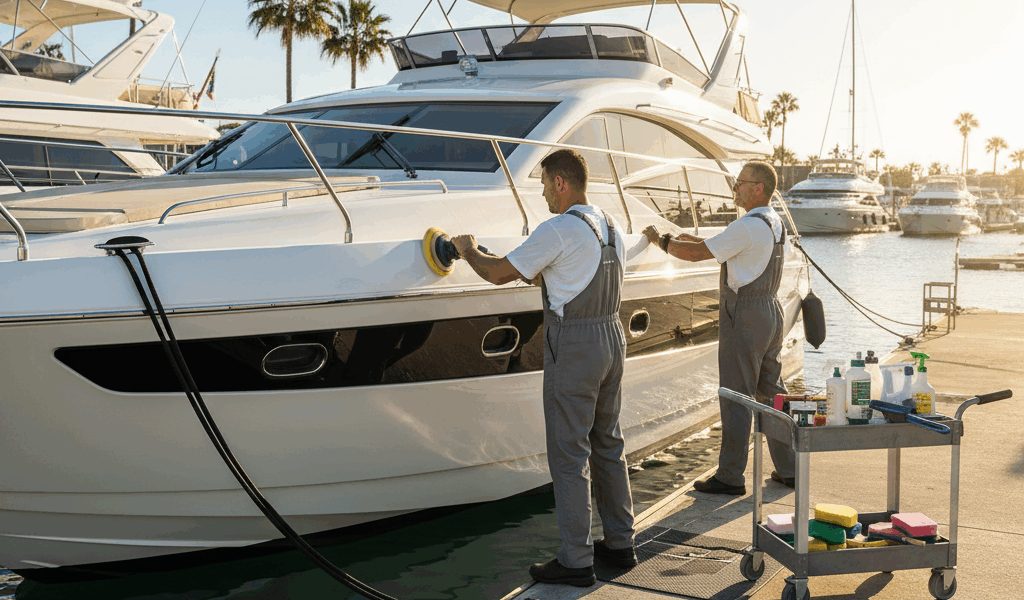
Clean gelcoat regularly with marine-specific cleaners to prevent oxidation and staining that become permanent. Apply quality marine wax at least twice per season to protect against UV damage. Address scratches and chips promptly with gelcoat repair kits before water intrusion causes delamination underneath. For severely oxidized surfaces, consider professional compounding and polishing to restore the original shine.
Through-Hulls and Seacocks
Inspect all through-hull fittings and seacocks at every haul-out without fail. Exercise seacocks regularly to prevent them from seizing when you need them most. Check for corrosion, particularly around dissimilar metals that cause galvanic problems. Replace zincs and sacrificial anodes as needed, typically when they are 50% depleted. Ensure all through-hull valves operate smoothly and close completely.

Electrical Systems: Keeping the Power Flowing
Marine electrical systems face unique challenges from moisture, vibration, and corrosive salt air that shore-based systems never encounter. Regular inspection prevents failures that could leave you stranded or create dangerous fire hazards.
Battery Maintenance
Check battery terminals monthly for corrosion and clean with a baking soda solution if needed. Apply terminal protectant to prevent future corrosion that causes starting problems. Test battery capacity before each season using a load tester rather than just checking voltage. For flooded lead-acid batteries, check electrolyte levels and top off with distilled water only. Keep batteries fully charged during storage using a marine battery maintainer to extend their lifespan significantly.
Wiring Inspection
Inspect all visible wiring for chafing, cracking, or signs of heat damage that indicate problems. Check connections for tightness and corrosion. Ensure all connections use marine-grade tinned wire and proper heat-shrink or adhesive-lined connectors—regular hardware store electrical parts fail quickly in marine environments. Test navigation lights, bilge pumps, and other critical circuits regularly. Keep a wiring diagram aboard for troubleshooting when problems occur.
Seasonal Maintenance Schedules
Spring Commissioning
Spring commissioning prepares your boat for the season ahead and catches problems before they strand you. Change engine oil and filters, inspect and replace impellers if needed, check all fluid levels, and test the battery. Inspect the hull for damage from winter storage, clean and wax topside surfaces, and test all electronics and navigation equipment. Check safety gear dates and replace expired items. Launch and perform a thorough sea trial to verify all systems before your first real outing.
Winterization
Proper winterization prevents freeze damage and corrosion during storage that destroys expensive components. Drain all water systems and add non-toxic antifreeze to plumbing lines. Fog the engine with storage oil and change the engine oil to remove acidic contaminants before they cause corrosion. Disconnect batteries and store on maintainers. Cover the boat with a breathable cover that allows air circulation while keeping out moisture and debris.
Interior Care and Mold Prevention
Marine interiors are constantly exposed to moisture, making mold and mildew a persistent challenge that requires active management. Prevention is far easier than remediation.
Ensure adequate ventilation throughout the cabin, using solar vents or dehumidifiers during storage periods. Clean upholstery and fabrics with marine-grade mold inhibitors regularly. Open lockers and storage compartments regularly to promote air circulation that prevents mold growth. Address any water intrusion immediately and identify the source before it causes damage. Use moisture absorbers in enclosed spaces during extended storage periods. Clean and treat teak and other wood surfaces with appropriate marine-grade products to prevent deterioration.
Safety Equipment Checks
Safety equipment is only effective if it works when needed during an emergency. Regular inspection ensures readiness when it matters most.
Check life jacket condition, straps, and flotation integrity annually. Inspect fire extinguishers for proper charge and service dates, replacing as required by regulations. Test visual distress signals for expiration dates, as flares typically expire after three years. Verify first aid kit contents and replace expired medications. Test EPIRBs and personal locator beacons according to manufacturer instructions. Ensure throwable flotation devices are accessible and in good condition.
Record Keeping: Your Maintenance Log
Maintaining detailed service records is essential for tracking maintenance intervals, troubleshooting problems, and preserving resale value when you eventually sell.
Record all maintenance activities with dates, engine hours, and parts used without fail. Keep receipts for materials and professional services. Note any unusual findings during inspections that might indicate developing problems. Track fuel consumption to identify potential engine issues early before they become expensive failures. Store records both aboard and in a backup location. Consider using digital maintenance tracking apps designed for boat owners to streamline record keeping and set reminders for upcoming service intervals.
My Take on Boat Maintenance
Consistent boat maintenance is an investment that pays dividends in reliability, safety, and long-term value retention. By following a systematic approach to engine care, hull maintenance, electrical systems, and seasonal preparation, you will enjoy more time on the water and fewer unexpected repairs that ruin weekends. Start each season with a thorough inspection, address issues promptly, and keep detailed records. Your vessel will reward you with years of dependable service and memorable experiences on the water—that’s been my experience across every boat I’ve owned.




Stay in the loop
Get the latest power and motor yacht central updates delivered to your inbox.