The outboard versus inboard engine debate has gotten complicated with all the technological advances and marketing claims flying around. As someone who has owned and operated boats with both propulsion types extensively, I learned everything there is to know about why outboards now dominate the recreational market. Today, I will share it all with you.
Quick Answer: Outboard engines offer easier maintenance, more usable cockpit space, better fuel efficiency, and superior shallow-water capability. Inboard engines provide a lower center of gravity, quieter operation, and longer service life. Most recreational boaters benefit from outboard advantages, while dedicated offshore fishermen and performance enthusiasts may prefer inboards.
The Outboard Revolution Is Real
That’s what makes modern outboard technology endearing to us practical boat owners—the transformation from smoky, temperamental two-strokes to refined, reliable powerplants.
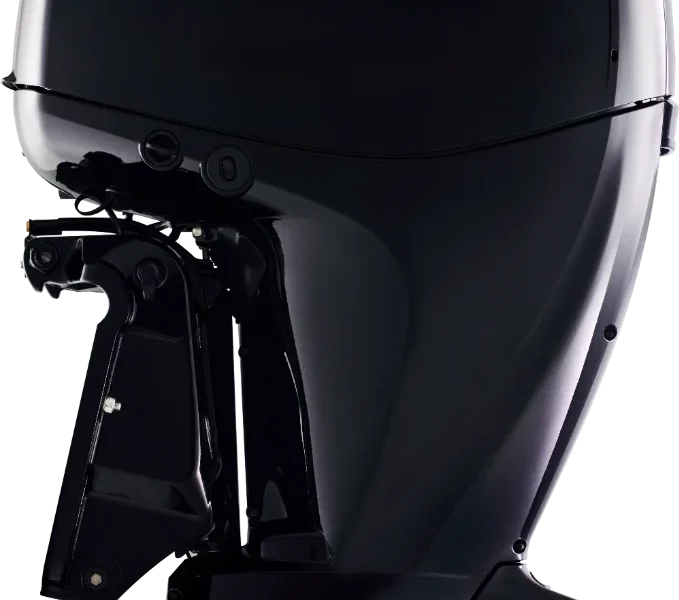
Today’s outboard engines bear little resemblance to previous generations. Four-stroke technology, direct fuel injection, and advanced computer controls have transformed outboards into engines that often outperform their inboard counterparts in efficiency and longevity.
Mercury’s V12 Verado 600HP, Yamaha’s XTO 450HP, and Seven Marine’s 627HP represent the pinnacle of outboard engineering, delivering power levels that seemed impossible just a decade ago. These engines enable outboard-powered center consoles and walkarounds to compete directly with traditional sportfish boats for offshore performance.
Smaller outboards have benefited equally from technological advancement. A modern 150HP four-stroke weighs less, burns less fuel, and runs quieter than equivalent engines from the early 2000s. This efficiency revolution has made outboards the obvious choice for most recreational applications.
Why Outboards Make Sense
Maintenance Accessibility
Probably should have led with this section, honestly.
Outboard engines hang on the transom where you can see, reach, and service them without contorting into cramped engine compartments. Oil changes, spark plug replacements, and impeller services take minutes rather than hours. When problems occur, diagnosis becomes straightforward since everything remains visible and accessible.
This accessibility translates directly to lower maintenance costs over time. Many outboard services can be performed by handy owners, while inboard work often requires professional mechanics and specialized tools. Over a typical ownership period, these differences can amount to thousands of dollars in saved labor costs.
Usable Space
Eliminating inboard engines frees tremendous interior volume. Center consoles and walkarounds gain cockpit space previously consumed by engine compartments. This additional room accommodates larger fish boxes, more storage, and improved passenger comfort without increasing overall boat length.
The weight savings matter equally. Outboard boats typically displace less water than inboard equivalents, improving fuel efficiency and trailer handling. Lighter boats also perform better in shallow water and require less powerful engines to achieve target speeds.
Shallow-Water Capability
Outboard engines tilt completely clear of the water, enabling access to skinny water that would ground inboard boats. This capability proves essential for coastal anglers targeting flats species, bay boaters navigating sandbars, and anyone operating in tidal areas where water levels fluctuate dramatically.
Even when not fully tilted, outboard lower units typically extend less deep than inboard running gear. This reduced draft opens cruising grounds inaccessible to boats with through-hull props, shafts, and rudders.
Modern Reliability
Contemporary outboard engines routinely accumulate 2,000 to 3,000 hours before requiring major service, rivaling and sometimes exceeding traditional inboard durability. Improved materials, tighter manufacturing tolerances, and sophisticated engine management systems have eliminated most historical reliability concerns.
When problems do occur, outboard replacement or repower proves far simpler than inboard engine swaps. A failing outboard can be unbolted and replaced in a day, while inboard engine removal often requires partial boat disassembly and professional rigging.
Where Inboards Still Excel
Lower Center of Gravity
Inboard engines mount low and central within the hull, contributing to stability and seakeeping ability. This weight distribution particularly benefits larger vessels where motion comfort and offshore capability matter most. Express cruisers, sportfish boats, and passage-making trawlers often perform better with low-mounted propulsion.
Quieter Operation
Properly installed inboard engines isolate from the hull on flexible mounts, reducing noise and vibration compared to transom-hung outboards. For cruising boats where comfort matters more than fishing utility, this quieter operation significantly enhances the experience, especially at displacement speeds.
Propeller Protection
Inboard propellers tuck beneath the hull, protected from floating debris and underwater obstacles. Running gear remains less vulnerable to damage from logs, crab pots, and other hazards that can destroy exposed outboard lower units. For boaters operating in debris-heavy waters, this protection proves valuable.
Extended Service Life
Large-displacement inboard diesel engines routinely achieve 5,000 to 10,000 hours of service life with proper maintenance. This longevity makes inboards attractive for high-hour commercial applications and serious cruising boats that accumulate significant running time annually.
Performance Realities
Fuel Efficiency
Modern outboard engines often match or exceed inboard efficiency at cruise speeds. Four-stroke outboard technology, combined with lighter boat weights, delivers excellent fuel economy for typical recreational use patterns. However, large diesel inboards may prove more efficient for extended cruising at displacement speeds.
Top Speed
High-powered outboards routinely push center consoles past 60 mph, with some configurations exceeding 80 mph. Equivalent performance from inboard installations requires dedicated offshore racing hulls and significantly higher horsepower. For most buyers, outboard performance more than suffices.
Handling
Modern joystick docking systems work exceptionally well with outboard power, using independently steerable engines to maneuver boats precisely in tight quarters. While inboard joystick systems also perform admirably, the instant thrust-vectoring capability of outboard motors often provides superior control.
Cost Realities
Purchase Price
Outboard boats typically cost less than equivalent inboard vessels at similar lengths. Simpler construction, reduced systems complexity, and competitive outboard pricing contribute to lower initial purchase prices. This difference can amount to tens of thousands of dollars on larger boats.
Maintenance Costs
Annual maintenance expenses favor outboards significantly. Accessible service points, simplified systems, and reduced labor requirements translate to 30-50% lower ongoing costs compared to inboard installations. Over a 10-year ownership period, these savings compound substantially.
Repower and Resale
Outboard engines can be upgraded or replaced relatively affordably, extending boat life and updating performance. Inboard repowers involve major projects with corresponding costs. Resale values often favor well-maintained outboard boats due to perceived maintenance simplicity.
Making Your Decision
Choose outboard power if you value maintenance accessibility, shallow-water capability, maximum usable space, and lower operating costs. Most recreational boaters from fishing enthusiasts to family cruisers find outboards the optimal choice.
Consider inboard engines for larger cruising vessels where seakeeping, quiet operation, and extended range matter most. Dedicated offshore sportfish buyers and those planning extended voyaging may find inboard advantages compelling despite higher complexity and costs.
For many buyers, the decision has already been made by manufacturers. The overwhelming majority of new boats under 40 feet arrive with outboard power, reflecting industry confidence that outboard technology best serves modern recreational boating needs. That matches my experience after owning both types.
Recommended Resources
Marine Diesel Engines: Maintenance, Troubleshooting, and Repair
Nigel Calder’s comprehensive guide to marine diesel maintenance.
Oceansouth Custom Fit Outboard Motor Cover
Protect your investment with quality marine-grade covers.
As an Amazon Associate, we earn from qualifying purchases.



Stay in the loop
Get the latest power and motor yacht central updates delivered to your inbox.