
The monohull versus catamaran debate has gotten complicated with all the passionate opinions and marketing claims flying around. As someone who has logged significant time on both hull types in various conditions, I learned everything there is to know about how each platform performs in the real world. Today, I will share it all with you.
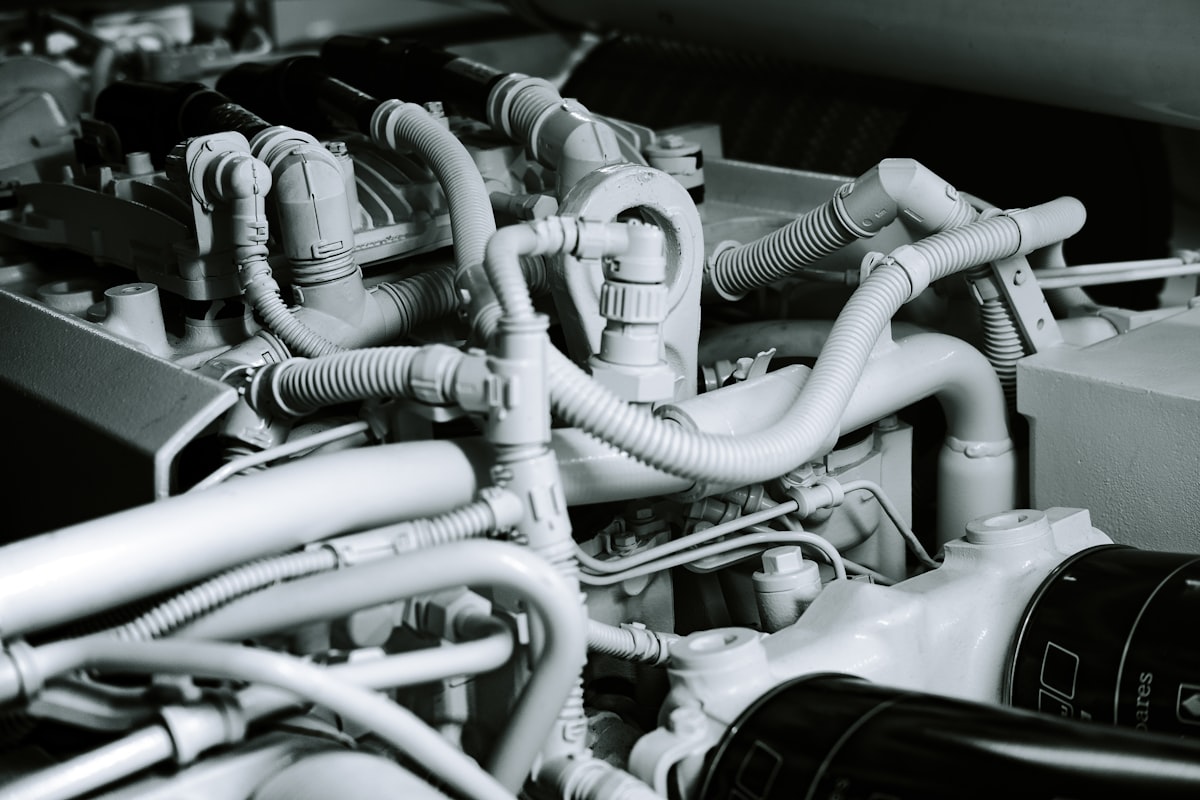
How Deep-V Monohulls Work
Deep-V hulls slice through waves with their sharp entry angles. This design has dominated powerboat construction for decades because it delivers predictable handling, proven rough-water performance, and efficient use of marina space that owners appreciate.
The sharp bow sections split waves rather than riding over them. Impact forces spread over time as the hull progressively meets each wave. In head seas, deep-V boats feel solid and controllable even when conditions would make flatter hulls genuinely uncomfortable.
Narrow beam means easy docking and standard slip sizes that don’t cost extra. A 40-foot deep-V boat typically fits in a 14-foot-wide slip without special arrangements. The same applies to trailering—standard lane widths accommodate deep-V boats that would require oversize permits as catamarans.
What Makes Catamarans Different
That’s what makes catamarans endearing to us stability-focused boaters—the wide stance that changes everything about how the boat feels.
Catamarans use two narrow hulls separated by a bridging structure. This wide stance provides stability without the rolling motion that affects monohulls constantly. The space between hulls reduces wetted surface area at speed, enabling remarkable efficiency.
At rest, catamarans are remarkably stable in ways that monohull owners find almost unbelievable. The wide beam resists rolling from wakes, weight shifts, and wind. Guests who feel uncomfortable on rolling monohulls often find catamarans far more welcoming.
Shallow draft opens cruising grounds that deep-V boats simply can’t access. Many catamarans draw 2-3 feet, compared to 3-5 feet for comparable monohulls. Skinny water, beach approaches, and shallow anchorages become accessible options.
Speed and Efficiency Comparison
Probably should have led with this section, honestly.
Catamarans often deliver better fuel economy at cruise speeds. The reduced wetted surface and aerodynamic lift from the bridging structure contribute to efficiency that can exceed monohulls by 15-30% in ideal conditions.
Top speed depends more on power-to-weight ratio than hull form, though catamarans’ lighter construction often translates to impressive performance numbers. Some high-performance cats exceed 60 knots.
Deep-V hulls maintain efficiency across a wider range of conditions. In rough water that forces catamarans to slow down significantly, deep-V boats often maintain cruise speed with less discomfort.
Rough Water Behavior
Each hull type handles rough water differently in ways you need to experience to understand fully. Deep-V boats slice through waves with a rolling, pitching motion that experienced boaters find comfortable and predictable. The hull absorbs wave energy gradually through the V-shape.
Catamarans span waves differently. In beam seas, they’re remarkably stable—almost eerily so. In head seas, they may bridge between wave crests, creating a hobby-horsing motion as bow and stern alternately rise and fall. In following seas, proper weight distribution becomes critical to prevent the bows from diving dangerously.
Neither form is inherently better in rough water—they’re simply different approaches. Personal preference and experience often determine which motion pattern feels more comfortable to individual boaters.
Interior Space Reality
Catamarans provide dramatically more usable interior volume than their length suggests. The wide beam creates salon spaces comparable to monohull boats 50% longer. Cabins spread across both hulls offer privacy impossible on monohulls of similar length.
Deep-V boats concentrate living space in a single hull, creating different but efficient layouts. The narrower beam forces creative interior design but also means shorter walks between spaces and a more connected feel.
Deck space on catamarans is remarkable. Wide stern platforms, covered cockpit areas, and flybridge space rival boats much larger on the waterline.
Marina and Docking Considerations
Wide-beam catamarans require special slip arrangements that limit options. Some marinas simply can’t accommodate them at all; others charge premium rates for oversized slips. Planning cruising itineraries must account for marina restrictions in advance.
Maneuvering catamarans in tight quarters differs substantially from monohulls. Twin-engine configurations allow pivot turns that help manage the wide beam, but a genuine learning curve exists for monohull veterans making the switch.
Deep-V boats fit standard infrastructure without special arrangements. Slips, lifts, and storage designed for the vast majority of boats accommodate them without premium charges or advance reservations.
Ownership Realities
Catamarans have more systems—two engines, two transmissions, often two of everything that can break. Maintenance costs and complexity increase accordingly. Finding qualified technicians may be challenging in some cruising areas.
Construction quality varies widely in the catamaran market. Premium builders produce exceptionally well-engineered boats; others take shortcuts that create problems over time. Research specific builders carefully before committing.
Deep-V construction is well understood by the broader marine industry. Service, parts, and expertise are readily available almost everywhere you might cruise.
Making the Right Choice
Choose a catamaran if: you prioritize interior space, value stability at rest above all else, regularly cruise shallow water, have flexible marina options, and accept the learning curve of a different handling style.
Choose a deep-V if: you value proven rough-water performance, need standard marina compatibility, prefer traditional handling characteristics, or plan to cruise areas where service and parts availability matter.
Neither choice is wrong—they’re simply different tools for different priorities. Spend time on both hull types before deciding. The right choice matches how you actually plan to use your boat, not theoretical advantages that may not matter to your specific boating style. That’s what I learned after owning both.


Stay in the loop
Get the latest power and motor yacht central updates delivered to your inbox.