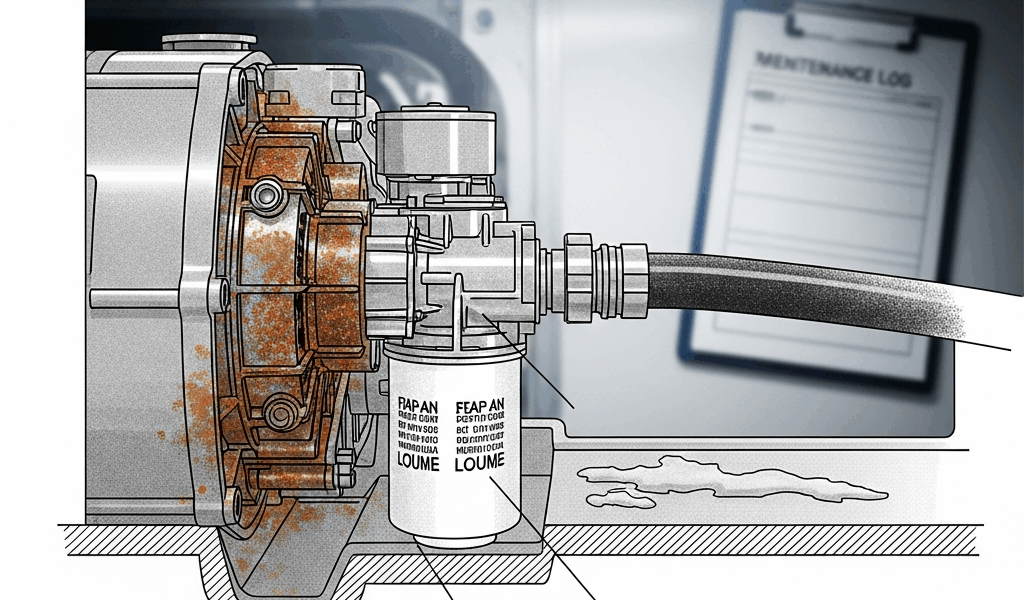
Why 60ft Yachts See Genset Failures More Than Larger Vessels
Generator failures on 60ft motor yachts hit different than they do on the mega-yachts I’ve surveyed in Monaco or the smaller trawlers working the Caribbean. I learned this the hard way, sitting in a generator compartment off Palma while the owner’s tech tried to explain why a 15-year-old Caterpillar genset—perfectly maintained by their paperwork—wouldn’t hold a steady frequency.
The problem is load.
A 60ft yacht occupies a brutal middle ground. Large enough that owners expect constant power for air conditioning, water makers, and navigational systems. Small enough that running two independent gensets isn’t economical. So you get one 50–80kW unit that’s supposed to handle everything, running nearly 24/7 at 30–45% of its rated capacity. That’s where the damage happens.
Diesel engines—gensets included—love being worked hard. Full load operation. But dial back to partial load, and combustion temperatures drop. Fuel doesn’t burn completely. Unburned hydrocarbons condense on cylinder walls as a wet, acidic sludge. Wet stacking, they call it — and it’s the genset killer nobody talks about until the engine’s already compromised.
Larger yachts (100ft+) typically run dual or triple genset configurations. They alternate between them or connect multiple units to share the load — each one breathing easier. Smaller boats under 45ft either accept power rationing or accept genset replacement as routine wear. But 60ft? You’re stuck with partial-load purgatory. The genset breathes shallow for months, internal deposits build silently, and then one day it won’t start clean.
Load-cycling patterns matter too. An owner motors all day at cruise and then hits anchorage where the genset takes on the full electrical load at 2 AM—spun up cold. That thermal shock accelerates wear on alternator windings and voltage regulators. I’ve pulled gensets with bearing wear patterns that looked 8,000 hours old when the hourmeter read 3,200. It’s unsettling.
The Five Maintenance Gaps Surveyors Always Find
Probably should have opened with this section, honestly. These five gaps explain nearly every genset failure I’ve documented.
Coolant Condition and Change Intervals
Most 60ft yacht owners follow engine coolant schedules religiously. Gensets? Not a chance. The coolant in a marinized generator often sits unchanged for seven to ten years. By year five, it’s acidic, its corrosion inhibitors have collapsed, and it’s actively eating the internals from the inside out. I checked one 75kW genset last year—Volvo Penta marinized—where the coolant pH had dropped to 8.2. Anything below 9.0 is damaging. The zinc anodes inside the block were nearly gone. Replacement coolant costs $180. The genset block? $12,000.
Fuel Filter Degradation and Change Frequency
Genset fuel systems typically run a single 20-micron primary filter. Large engines use 10-micron secondary filters. On a 60ft yacht running year-round, that primary filter should be changed every 250 hours or six months—whichever comes first. I find filters last changed 18 months ago. Particulates bypass the media, injectors start coking, and cold starts get harder. Eventually the genset won’t fire at all.
Exhaust System Inspection and Corrosion
The genset exhaust—whether water-cooled, air-cooled, or jacketed—corrodes from the inside out once salt creep or condensation enters the line. A perforated muffler or corroded riser goes unnoticed until white discharge leaks into the engine room bilge. By then, raw seawater is past the raw-water elbow and possibly into the block itself. Inspection should happen annually. Most boats skip it entirely.
Voltage Regulator Wear and Output Stability
The alternator voltage regulator is the genset’s nervous system. It balances AC frequency and voltage under variable loads. Regulator modules cost $500–$1,800 depending on brand. Ignored until failure, they cause brown-outs, kill battery chargers, and fry sophisticated electronics. I’ve replaced five in the last two years—all on boats where the owner had never even heard of it.
Sea Strainer Cleaning Frequency
The raw-water intake strainer feeding the genset cooling circuit should be cleaned every 50 hours of operation in active seawater, more if there’s seaweed or plankton activity. Most owners clean it annually at haul-out. Running a genset with a clogged strainer causes cooling lines to cavitate, the impeller to gasket-blow, and the thermostat to open hunting wildly for temperature stability. Cost to replace an impeller and gaskets: $850. Cost to replace the whole cooling package after cavitation: $8,500.
Salt Intrusion and Corrosion Inside Generator Compartments
Spray creep kills gensets. The salt-laden moisture that settles on a genset in a poorly ventilated engine room migrates into connector blocks, terminal boards, and alternator lead connections. What you’re looking at isn’t a catastrophic failure—it’s slow corrosion that increases electrical resistance.
The alternator winding insulation degrades first. You’ll notice voltage output fluctuating 2–3V under steady load. Then the regulator compensates by raising field current to combat the voltage drop. That overheats the stator. Six months later, you smoke a phase and the whole alternator needs rewinding.
A stator rewind costs $3,200–$4,800 at a marine electrical shop. A new alternator (OEM marinized unit) costs $5,500–$7,200. Both assume the rotor’s still good, which it often isn’t after a smoking event. I’ve written more survey reports finding genset alternator issues on 60ft yachts than any other single system problem. Most start with inadequate compartment ventilation and no corrosion spray applied to electrical connections.
Proper prevention requires annual inspection of every terminal, sealant application around connector boots, and a solid corrosion management plan using something like Boeshield T-9 or equivalent—not WD-40, which evaporates and leaves ionic residue.
Fuel System Issues That Kill Generators Before Engine Problems Show
Here’s the strange part: a 60ft yacht’s main diesel engine and genset often run on the same fuel tanks and use similar injection systems. So why does the genset quit first?
Microbial growth. Bacteria and fungi thrive in genset fuel tanks because gensets sit dormant for weeks while main engines run daily. Stagnant fuel + warm engine room = microbial paradise. The organisms eat fuel, produce organic acids that corrode injector tips, and leave behind sludge that clogs filters.
Phase separation is equally silent. Older fuel blends absorb atmospheric moisture. Over six months in a warm anchorage, absorbed water separates out as distinct layers. The genset draws from tank bottom where water pools. Injectors don’t like water. The genset runs rough, then dies.
Fuel polishing—running fuel through a kidney-loop with 3-micron filtration and water removal—sounds like a fix. It works temporarily. But if your genset fuel tank has internal rust or corroded baffles, you’re polishing rust particles and organic matter that regenerate faster than you can filter them. Gensets fed from these tanks fail again within 300 hours.
I’ve found genset fuel tanks so degraded that the owner would have been better off installing a standalone 150-gallon aluminum tank and running the genset from that exclusively. Cost: $3,200 installed. Cost to keep rebuilding genset fuel systems and injectors: $12,000+ over five years.
What to Inspect Before You Buy a Used 60ft Yacht
If you’re evaluating a 60ft yacht for purchase, genset condition determines real usability for extended cruising. Don’t skip this part.
- Run hours versus documented maintenance. A genset with 2,000 hours and zero service records is riskier than one with 6,000 hours and full documentation. Ask for maintenance logs. If they don’t exist, add $8,000–$12,000 to your offer as a genset contingency.
- Start and load behavior. Run the genset under load—air conditioner, water maker, and charger all on—for 20 minutes. Voltage should hold steady within ±5V. Frequency should sit at 60Hz ±0.5Hz. Black smoke at start is normal; white smoke after 30 seconds means coolant leak; continued black smoke past warm-up means fuel issues.
- Vibration levels. Place your hand on the genset frame during loaded operation. Excessive vibration—feeling distinct pulses rather than hum—suggests misalignment, worn mounts, or internal bearing wear. That’s a $4,000+ rebuild minimum.
- Fuel tank visual and water content. Request a fuel sample and tank interior photos if the yacht’s been surveyed recently. Look for rust, sludge, or water. Dark fuel that sparkles under light has suspended rust particles.
- Exhaust color and discharge. White or yellowish discharge from the exhaust outlet means seawater ingress. Request exhaust riser and muffler inspection photos. Corrosion holes mean replacement cost of $2,200–$3,600.
Red flags that justify walking away: gensets with no service records past three years, visible corrosion on electrical connections, evidence of past raw-water leak (staining, salt deposits on internals), or a fuel tank that hasn’t been cleaned in the boat’s ownership history. These don’t always justify price drops—they sometimes justify deal-breakers. Don’t make my mistake.

Stay in the loop
Get the latest power and motor yacht central updates delivered to your inbox.