Sea-Doo Boats for Water Adventures
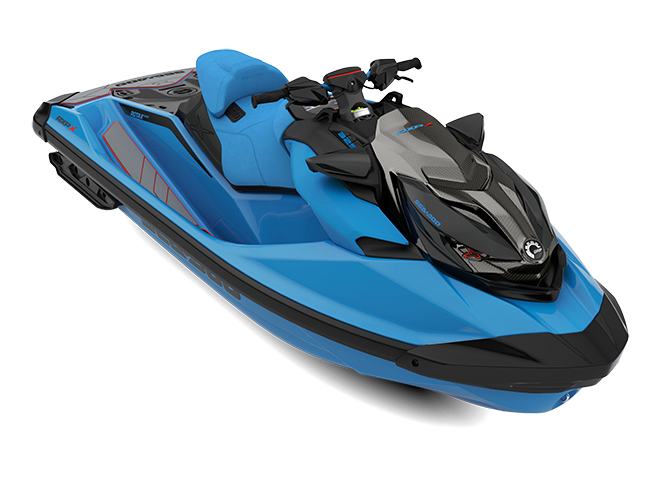
Sea-Doo boats have gotten complicated with all the models flying around. As someone who’s spent time on these things, I learned everything there is to know about what Sea-Doo actually offers. Today, I will share it all with you.
Most folks hear “Sea-Doo” and immediately think jet skis. That’s fair — they basically invented the category. But there’s a whole lineup of actual boats under that name now, and honestly, some of them surprised me. Whether you’re into tearing across the water at full throttle or just floating around with the family, there’s probably a Sea-Doo that fits. Let me walk you through the whole picture.
History and Background
So here’s how it went down. Sea-Doo is a brand under Bombardier Recreational Products (BRP), and yeah, they started with jet skis back in the day. Then in 1994, they made a pretty bold move and launched a line of jet boats — they called them Sea-Doo Sportboats. And honestly? People loved them. The maneuverability was unreal compared to traditional prop-driven boats, and the jet propulsion tech they’d perfected on their PWCs translated beautifully to a bigger hull.
Through the late 90s and into the 2000s, Sea-Doo kept tweaking and improving. The boats got more powerful, more fuel-efficient, and way easier to drive. They were early adopters of digital integration too, which kept them competitive when the market started getting crowded. It’s kind of impressive how a jet ski company pivoted into serious boating territory, don’t you think?
Types of Sea-Doo Boats
Probably should have led with this section, honestly. Here’s what Sea-Doo’s lineup actually looks like:
- Jet Boats: These are the bread and butter. Jet propulsion gives you insane agility, and they’re perfect for water sports — skiing, wakeboarding, tubing, you name it. If you want performance, this is your starting point.
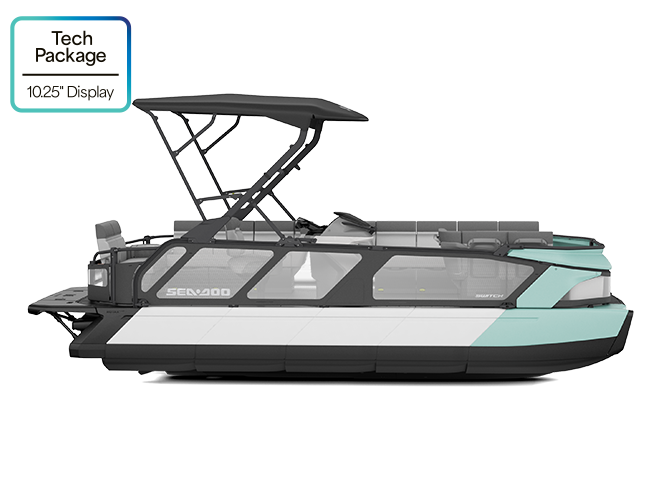
- Pontoon Boats: Wait, Sea-Doo makes pontoon boats? Yep. And they’re surprisingly fun. More room, more comfort, great for parties or just hanging out on the water with a cooler full of drinks.
- Sport Boats: Think of these as the Swiss Army knife option. They blend speed with versatility, so you can do a little bit of everything without feeling like you’re compromising.
Key Features
Alright, so what actually sets Sea-Doo boats apart from everything else floating around? For me, the jet propulsion system is the big one. Instead of a traditional propeller hanging off the back of the boat, Sea-Doo uses an enclosed water jet system. What does that mean for you? Well, no exposed prop means you can cruise in shallower water without worrying about chewing up the bottom. It also makes things safer, especially if you’ve got kids swimming nearby.
Under the hood — or I guess under the deck — you’ll find Rotax engines. If you don’t know Rotax, they’ve been building high-performance power units for decades. These engines punch well above their weight, giving you serious speed and acceleration while staying remarkably reliable. I’ve talked to owners who’ve put hundreds of hours on their Rotax engines without major issues. That’s what makes Sea-Doo’s engineering endearing to us water sports fans — they build powertrains that actually hold up to the abuse we put them through.
Design and Technology
Here’s where things get genuinely cool. Sea-Doo didn’t just slap a jet drive on a regular boat and call it a day. Their hulls are acoustically engineered to cut down on noise and vibration, which makes a bigger difference than you’d expect on a long day out. You’re not getting rattled to pieces at cruising speed.
The seating is another strong point — many models let you reconfigure the layout depending on what you’re doing that day. Need more passenger space? Done. Want to open up room for gear? Easy. And the tech integration is genuinely modern: digital displays, real-time navigation data, smartphone connectivity. I know, I know — do we really need to connect our phones to our boats? But once you’ve used it to control your playlist or check weather radar in real time, you won’t go back.
Benefits of Sea-Doo Boats
Let me break down why I keep recommending these to people:
- Safety: No exposed propeller is a huge deal. If you’ve got a family, or you’re a beginner, this alone should get your attention. Nobody wants to worry about prop strikes while the kids are jumping off the swim platform.
- Maneuverability: Jet boats handle like nothing else. Tight turns, precise docking, quick response — it’s addictive once you get used to it. Crowded marinas? No problem.
- Entertainment: These boats are designed for fun, period. Fishing, sunbathing, tubing, just cruising around with friends — they’ve thought about all of it.
- Eco-friendly Options: BRP has been pushing hard on reducing emissions and fuel consumption across their lineup. Several Sea-Doo models now incorporate cleaner-running tech that’s legitimately better for the waterways we all enjoy.
User Experience
I’ll be honest — one thing that keeps coming up when I talk to Sea-Doo owners is how easy these boats are to drive. Like, genuinely beginner-friendly. The controls are intuitive, and the jet propulsion actually makes docking less stressful (anyone who’s tried to parallel park a prop boat in a tight slip knows what I’m talking about). Experienced boaters appreciate the responsiveness, while newcomers aren’t white-knuckling it on their first outing.
Then there’s the speed factor. Water sports enthusiasts absolutely love the acceleration. You’re up on plane fast, tow sports feel dialed in, and there’s enough kick to put a grin on your face. The storage solutions are clever too — Sea-Doo engineers clearly spend time on the water themselves, because the compartments are right where you’d actually want them. Cooler space, rod holders, gear compartments, all tucked in without eating up passenger room.
Market Position
Where does Sea-Doo sit in the broader boating world? They’ve carved out a pretty unique niche, honestly. They’re competitively priced compared to a lot of the traditional brands, but you’re not sacrificing quality to save money. The tech is current, the build quality is solid, and the warranty support through BRP is better than what some of the smaller manufacturers can offer.
Having that legacy in personal watercraft helps a lot too. Dealers already know the brand, parts are accessible, and there’s a massive community of owners out there. That kind of ecosystem matters when you’re making a purchase this big.
Considerations Before Buying
Before you pull the trigger on a Sea-Doo boat, take a step back and think about what you’ll actually be doing with it most weekends. Are you towing wakeboarders every Saturday? Do you want a floating hangout spot for lake parties? Those are very different boats, and being honest about your priorities upfront saves a lot of headaches (and money) down the road.
A few things I always tell people to think through:
- Capacity: How many people are you realistically bringing along? Don’t just think about the max headcount — think about comfort with gear, food, and coolers taking up space too.
- Engine Power: More power isn’t always better. If you’re mostly cruising around a calm lake, you don’t need the most aggressive engine option. But if you’re running water sports, don’t skimp here.
- Features and Budget: List out the onboard amenities you actually care about versus the ones that sound cool in a brochure. Factor in maintenance and fuel costs, not just the sticker price. Your wallet will thank you later.
Maintenance and Care
Owning a boat means maintaining a boat — there’s no way around it. The good news with Sea-Doo is that the jet propulsion system actually reduces some of the typical headaches. No prop to ding, no lower unit to worry about. But the jets themselves need attention. Flushing them out after each use, especially in saltwater, prevents buildup and keeps everything running clean.
Beyond the jets, it’s the usual stuff: engine check-ups, hull inspections, keeping things clean. Winterizing is non-negotiable if you live somewhere with cold winters — skip that and you’re looking at cracked components come spring. I’d strongly recommend following the maintenance schedule in your owner’s manual, and if you’re not mechanically inclined, find a good marine service shop that knows BRP products. It’s worth the investment.
Community and Resources
One thing I wasn’t expecting when I first got into Sea-Doo boats was just how active and welcoming the community is. There are forums, Facebook groups, and local clubs where owners swap stories, troubleshoot problems, and plan group outings. It’s genuinely helpful — I’ve gotten some of my best tips from random threads posted by people who’ve owned their boats for years.
BRP also runs workshops and has solid dealer support if you need more official help. And the rallies and meetups? Those are a blast. There’s something about pulling up to a raft-up with twenty other Sea-Doo owners that just makes the whole ownership experience feel bigger than you and your boat.
Overall Outlook
Look, Sea-Doo isn’t just a brand at this point — for a lot of people, it’s become a lifestyle. They keep innovating, they keep listening to what owners actually want, and they’re pushing hard on environmentally responsible tech. Whether you’re eyeing your first boat or upgrading from something older, the current Sea-Doo lineup is genuinely worth a close look. These are well-built, fun machines designed by people who clearly love being on the water. And at the end of the day, isn’t that exactly what you want from a boat company?
Modern boaters rely on marine GPS systems for safe navigation.
Always prioritize safety with quality marine life jackets for every passenger.


Stay in the loop
Get the latest power and motor yacht central updates delivered to your inbox.