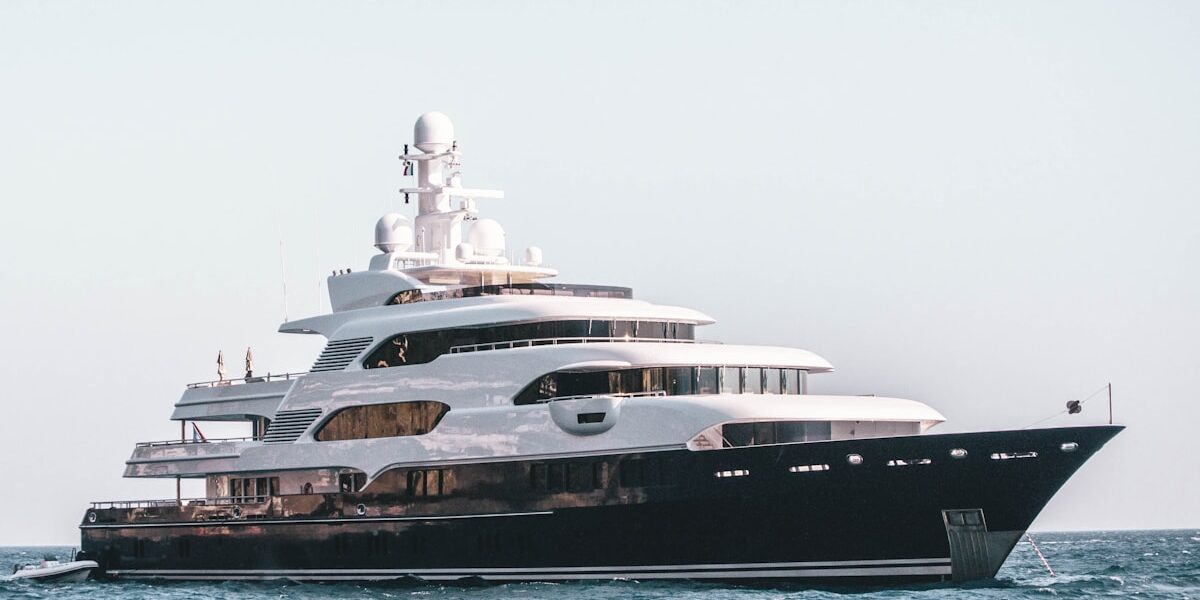
Boat deck layout decisions have gotten complicated with all the configuration debates flying around. As someone who has owned both flybridge and walkaround boats over the years, I learned everything there is to know about how each layout affects daily use. Today, I will share it all with you.
Why Flybridge Boats Attract Buyers
A flybridge puts you above it all—elevated sightlines, 360-degree visibility, and an outdoor helm position that makes cruising on beautiful days pure pleasure. From up high, you spot channel markers earlier, see fish breaking the surface farther away, and enjoy panoramic views impossible from deck level.
That’s what makes flybridge layouts endearing to us cruising couples—the social dynamics work better when everyone can gather around the helm.
The upper deck becomes an outdoor living room on good weather days—guests gather around the helm while underway, everyone participates in navigation decisions, and the captain isn’t isolated from the group in an enclosed space below.
Climate comfort is another flybridge advantage worth noting. On hot days, the elevated position catches whatever breeze exists. No cabin structure blocks airflow. Sun covers provide shade while maintaining that open-air feeling that draws people to boating.
Flybridge Realities
Weather exposure is the obvious downside nobody mentions in brochures. When conditions deteriorate, everyone scrambles for the enclosed lower helm—assuming the boat has one. Many flybridge designs rely exclusively on the upper station, leaving crews exposed in rough weather or cold temperatures.
Bridge clearance becomes a factor with elevated structures that catch your attention repeatedly. Marina access, fixed bridges, and covered storage all require attention to air draft. This limits cruising grounds in some areas more than you’d expect.
The additional structure adds weight high on the boat, affecting stability and handling characteristics. Naval architects balance this carefully, but flybridge boats typically feel different in rough water than equivalent lower-profile designs—not worse, just different.
The Walkaround Approach
Probably should have led with this section, honestly.
Walkaround boats prioritize access and functionality over elevated views. You can walk completely around the cabin—along both side decks, across the bow, and around the cockpit—without climbing ladders or navigating obstacles.
This configuration excels for fishing in ways that matter. Unobstructed deck access means following hooked fish around the boat without losing contact or tangling lines. Fighting chairs, outriggers, and fishing stations all benefit from clear paths that let anglers move freely.
Crew handling becomes simpler on walkarounds for practical reasons. Docking, anchoring, and raft-ups are easier when deckhands can move freely between bow and stern. Lines and fenders reach their destinations without passing through or over enclosed spaces.
Walkaround Compromises
Lower helm positions mean reduced forward visibility in some designs. Cabin structures directly ahead can block sightlines, though good walkaround designs address this with raised helm platforms or forward-sloped cabins that minimize obstruction.
Weather protection varies widely across the market. Some walkarounds feature substantial hardtops and enclosures that rival flybridge comfort. Others offer minimal protection—fine for day boating but limiting for serious cruising when conditions change.
Interior volume typically decreases compared to flybridge boats of similar length. The deck space that enables walking around comes at the expense of cabin volume below—physics you can’t avoid.
Size Factors Into the Decision
Boat length influences which configuration makes practical sense. Below 30 feet, flybridge structures tend toward the cramped and impractical—tiny bridges that nobody wants to climb to except in perfect conditions that don’t last.
In the 30-40 foot range, both layouts work well, and the choice reflects genuine lifestyle preferences rather than size constraints forcing your hand.
Above 45 feet, flybridge designs dominate because the elevated platform becomes genuinely useful living space rather than just a driving position. True flying bridges with settees, wet bars, and serious enclosures become practical on larger boats.
How You’ll Use the Boat Matters Most
Fishing-focused buyers gravitate toward walkarounds for functional reasons—deck access, fish-fighting flexibility, and practical cockpit layouts designed for the task. Serious anglers rarely choose flybridge boats even at sizes where they’re available.
Cruising couples often prefer flybridges for the social aspects and outdoor living space that transforms the boat. The elevated helm becomes an entertainment area, not just a driving position.
Charter and commercial operators frequently choose walkarounds for their operational simplicity and reduced maintenance—fewer systems, easier cleaning, less equipment that can break and strand paying customers.
Where You Boat Influences the Choice
In southern waters with consistent warm weather, flybridge layouts make maximum use of pleasant conditions. The upper deck sees regular use throughout the extended season.
Northern boaters who deal with variable weather may find walkarounds more practical overall. When you can’t count on pleasant conditions lasting, deck access trumps elevated views.
Bridge-heavy waterways like the ICW favor lower-profile designs. Constant attention to vertical clearance becomes genuinely tiresome on flybridge boats that require constant monitoring.
Resale Considerations Worth Noting
Regional preferences affect resale in ways that matter when you sell. Flybridges command premiums in Florida and the Caribbean. Walkarounds sell better in the Northeast and Pacific Northwest. Consider your likely exit market alongside current needs.
The Hybrid Approach
Some builders offer designs that split the difference thoughtfully—raised helm decks that provide improved visibility without full flybridge structure, or compact flybridge arrangements on walkaround hulls. These compromises suit owners who genuinely can’t choose between priorities.
Making Your Decision
Spend time on both configurations before buying—don’t just look at brochures. Charter or demo different layouts. What seems appealing in theory may feel different in practice after a weekend aboard. The right choice matches your actual boating style—not aspirational plans that might not happen, but how you really spend time on the water today. That’s what I learned after owning both types.



Stay in the loop
Get the latest power and motor yacht central updates delivered to your inbox.