
Boat trailer maintenance has gotten complicated with all the options flying around. As someone who’s towed boats for years, I learned everything there is to know about keeping your trailer road-ready. Today, I will share it all with you.
Here’s the thing nobody tells you when you buy your first boat: the trailer is half the battle. Your rig supports a massive load, gets hammered by potholes and highway vibrations, and then you go dunk it in saltwater at the ramp. It takes a real beating. I’ve personally dealt with a blown tire on I-95 with a 21-footer behind me, and trust me, that’s not a story you want to have.
Quick Answer: Check your tires monthly for wear and keep them at the right pressure. Repack your wheel bearings once a year or every 2,000 miles, whichever comes first. Test your lights before every single trip — no exceptions. After saltwater launches, rinse everything with fresh water. Plan on spending around $300-500 a year on maintenance if you want to stay out of trouble.
Tire Maintenance
Pressure and Condition
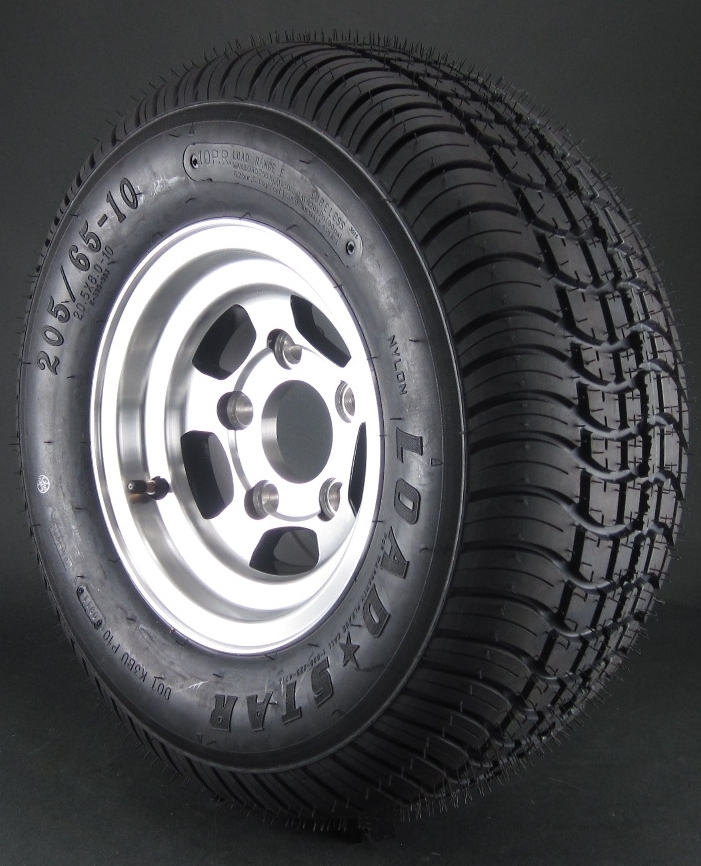
Probably should have led with this section, honestly. Tires are the single most common failure point I see on boat trailers at the ramp. I can’t tell you how many guys I’ve watched limping into the marina parking lot on a soft tire, hoping it’ll last “just one more trip.”
Check your tire pressure monthly and before every trip without fail. Trailer tires sit around a lot more than your car tires do, and they slowly lose pressure over time. When they’re underinflated, they overheat, they wear unevenly, and blowouts become a real possibility. You want to run them at the sidewall maximum pressure for trailer use — that’s different from your car tires, where you follow the door sticker. With trailers, max sidewall pressure is the way to go.
Give the tread depth and sidewall condition a good eyeball regularly. Trailer tires deal with some unique stresses since they sit in one spot for weeks, baking in the sun and soaking up moisture. If you see cracking along the sidewalls, any bulging, or flat spots from sitting too long, those tires need replacing even if the tread looks fine. I made the mistake of ignoring sidewall cracks once and paid for it with a blowout on a bridge. Not fun.
Tire Age
Here’s something a lot of folks don’t realize: you should replace trailer tires every 3-5 years no matter how many miles are on them. The rubber compounds break down from UV rays and ozone exposure even when the tires are just sitting in your driveway. How do you know how old they are? Look for the DOT date code on the sidewall. The last four digits tell you the week and year of manufacture. So “2523” means the 25th week of 2023. Simple once you know the trick.
Spare Tire
Always carry a spare that actually matches your trailer tires. I know that sounds obvious, but I’ve seen people rolling with a spare from a completely different trailer that doesn’t even fit the bolt pattern. Bring a jack and a lug wrench that’s the right size for your trailer wheels too. And here’s my best advice: practice changing a tire in your driveway before you ever have to do it on the shoulder of a highway with trucks blowing past you at 70 mph. That’s what makes tire preparedness endearing to us boaters — it turns a potential disaster into a minor inconvenience.
Wheel Bearing Service
Inspection
Bearing checks are easier than most people think. Jack up each wheel and give it a spin. You’re listening for any roughness or grinding noise — a healthy bearing spins smooth and quiet. Then grab the tire at the top and bottom and try to rock it. If there’s noticeable play or wobble, you’ve got a bearing issue that needs attention right away. Don’t put this off. I had a buddy lose a wheel on the highway because he kept saying “I’ll get to it next week.” The wheel passed him on the left. Seriously.
Repacking Bearings
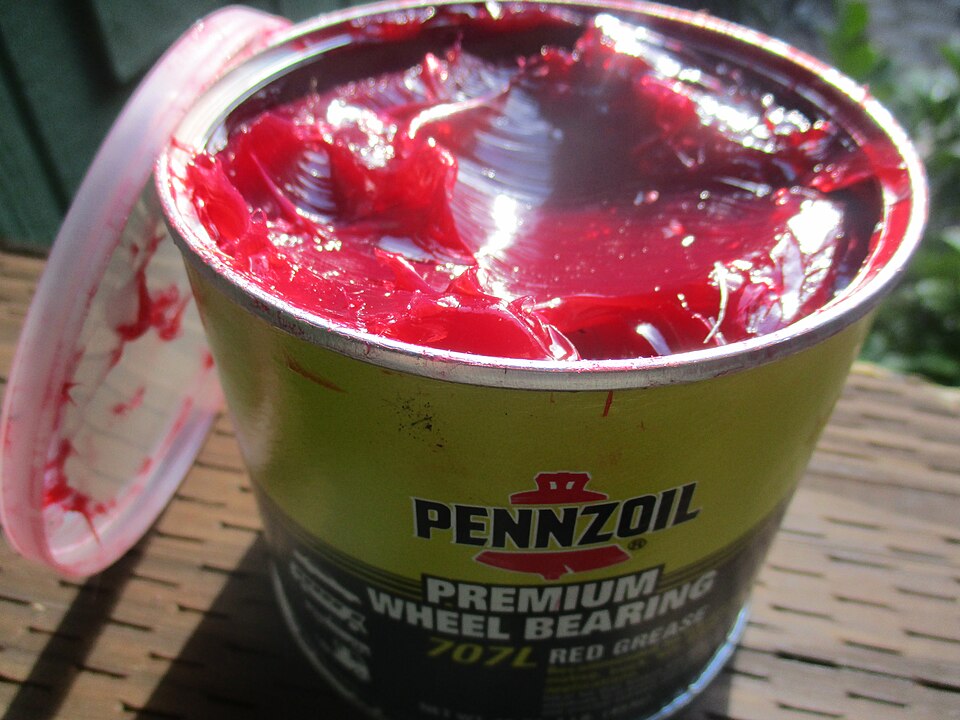
Once a year, pull the hubs and clean out all the old grease from the bearings, races, and hub cavities. Get in there thoroughly — old grease turns into something resembling peanut butter mixed with sand, and none of that is doing your bearings any favors. While everything’s apart, inspect the bearings closely for pitting, scoring, or any blueish discoloration that tells you they’ve been overheated. If anything looks questionable at all, replace it. Bearings are cheap; a lost wheel is not.
Pack fresh marine-grade grease into the bearings by hand, working it between each roller until it squeezes out the other side. You’ll get messy, but that’s how you know you’ve done it right. When you reinstall everything, adjust the bearing preload per the manufacturer’s specs. Too tight and they’ll overheat; too loose and you’ll get wobble.
Bearing Protectors
Bearing Buddies and similar grease protectors are one of those products that genuinely earn their keep. They maintain positive grease pressure inside the hub, which keeps water from sneaking in when you submerge the trailer at the ramp. You can see the grease level through the center cap — if it’s low, pump some more in. Takes about thirty seconds.
Now, I want to be clear: these protectors don’t replace your annual bearing service. What they do is extend your bearing life dramatically by keeping moisture out between service intervals. Think of them as insurance, not a substitute for doing the work.
Brake System Maintenance
Surge Brakes
If your trailer has surge brakes, they work by activating automatically when your tow vehicle decelerates. The tongue slides in, pushes a plunger, and applies hydraulic pressure to the brakes. Check the master cylinder fluid level on the tongue actuator — it should be within the marks. Inspect the brake lines running along the frame for any damage, kinks, or corrosion. You can test the function by backing up sharply and feeling for that telltale resistance as the surge mechanism engages.
Electric Brakes
Electric brake systems need a properly adjusted brake controller in your tow vehicle. To dial it in, find an empty parking lot and apply the controller manually while driving at a slow speed. You’re looking for smooth, progressive braking without any grabbing or jerking. Adjust the gain up or down until the trailer slows smoothly alongside the truck. It’s more art than science, honestly, and you’ll probably fiddle with it a few times before it feels right.
Brake Adjustment
Trailer brakes need periodic adjustment as the brake shoes wear down, just like drum brakes on older cars. You can check the adjustment by spinning the wheel with the tire off the ground. Properly adjusted brakes should give you just a slight drag — you can feel it. If the wheel spins totally free with no resistance, the brakes need tightening. If there’s heavy drag or the wheel barely turns, they’re too tight. Either extreme is a problem worth fixing before your next trip.
Lighting Systems
Function Testing
I test every light before every trip. Running lights, brake lights, both turn signals, and backup lights if the trailer has them. It takes two minutes with a helper, or you can back up to a wall and check the reflections yourself if you’re solo. Keep spare bulbs in the truck, and know ahead of time how to pop the light housings apart for a quick roadside swap. Getting pulled over because a brake light is out while you’re towing a boat is an annoying way to ruin a fishing morning.
Corrosion Prevention
Trailer light connections live a rough life — constant water exposure, road spray, vibration, and salt if you’re launching in saltwater. Dielectric grease is your best friend here. Smear it on every connection, plug, and socket. It prevents the corrosion that causes those maddening intermittent failures where your left turn signal works sometimes but not others. While you’re at it, trace the wiring and look for any spots where it’s chafing against the frame. Zip-tie any loose sections so they can’t rub through the insulation.
LED Upgrades
Switching to LED trailer lights was one of the best small upgrades I’ve made. They last significantly longer than incandescent bulbs, they handle vibration without burning out, and they’re brighter too. If you’re still running old-school bulbs and you’re tired of replacing them, LEDs are absolutely worth the investment. Just double-check voltage compatibility when you make the switch — most modern LEDs are designed as direct replacements, but it’s worth confirming.
Frame and Hardware

Rust Prevention
After every single saltwater launch, rinse the entire trailer with fresh water. I keep a garden hose nozzle in the truck and hit a self-wash bay on the way home if I don’t feel like dragging out the hose at the house. Pay extra attention to the leaf springs, axle tubes, and frame crossmembers — salt loves to hide in those crevices and go to work. When you spot paint chips or scratches down to bare metal, touch them up right away with rust-inhibiting paint. A five-minute touch-up now saves you from watching a frame member rot through later.
Structural Inspection
Get under the trailer once or twice a year and really look at the frame welds. Cracks tend to show up at stress points like spring hangers, tongue connections, and crossmember joints. Check tubular frame members for any rust perforation — poke at suspicious spots with a screwdriver. If it goes through, you’ve got a serious problem. Structural failures on trailers can be genuinely catastrophic, so don’t wait on these. If something looks iffy, get it to a welder or replace the component before your next launch.
Coupler and Safety Chains
The coupler is what keeps your trailer attached to your truck, so it deserves regular attention. Make sure the latch mechanism works smoothly and locks positively around the ball. A little grease on the ball contact surface reduces wear and makes hitching easier. Check your safety chains for any worn or stretched links, and verify they’re the right length — they should cross under the tongue and be short enough to catch the tongue if it drops, but long enough to allow full turns without binding.
Bunks and Rollers
Carpet Condition
This one’s easy to overlook, but worn-out bunk carpet will scratch up your hull’s gelcoat in a hurry. When the carpet gets thin, matted, or starts peeling away, it’s time to replace it. Use marine-grade bunk carpet — the stuff from the hardware store isn’t designed for constant water exposure and it’ll fall apart in a season. Make sure the new carpet is stapled smoothly with no exposed staple heads or rough edges that could gouge your hull during loading.
Roller Maintenance
If your trailer uses rollers instead of or in addition to bunks, check each roller by spinning it by hand. They should turn freely without grinding or seizing. A seized roller becomes a friction point that can scuff your hull and make loading harder than it needs to be. Replace any cracked or badly worn rollers and lubricate the bearings per the manufacturer’s recommendations.
Bunk Alignment
Your bunks need to support the hull evenly without any gaps or concentrated pressure points. A misaligned bunk puts stress on the hull in ways the manufacturer didn’t intend, which can lead to cosmetic damage or even structural issues over time. Load the boat and look at how it sits — the weight should be distributed across the full bunk length. Adjust as needed until the hull sits naturally without rocking or listing to one side.
Winch and Tongue Jack
Winch Service
Your winch strap (or cable, if you’re old school) is what pulls thousands of pounds of boat onto the trailer. Inspect it for fraying, cuts, or UV damage every time you use it. Test the pawl — that’s the little latch that keeps the winch from unwinding — to make sure it engages and releases cleanly. A yearly dose of marine-grade grease on the winch gears keeps everything operating smoothly. If the strap shows any signs of wear, replace it immediately. They’re ten bucks and not worth gambling on.
Tongue Jack
The tongue jack gets used constantly and tends to be neglected. Lubricate the screw mechanism so it cranks up and down without fighting you. Check the tube for any bending — dropping the tongue jack on uneven ground can tweak it over time. Make sure the wheel or foot pad at the bottom is secure and rolls freely. If your jack is getting wobbly or hard to crank, a replacement is a straightforward swap that makes a big difference in your daily routine.
Annual Maintenance Schedule
Here’s my recommendation for a once-a-year deep service: repack the wheel bearings, inspect and adjust the brakes, evaluate tire condition and age, do a thorough structural inspection of the frame and welds, test every light on the trailer, and service the winch. You can do all of this yourself in a Saturday afternoon if you’re handy, or take it to a trailer shop if you’d rather have a professional set of eyes on things. The point is that nothing gets missed. A complete annual service, combined with the regular checks I mentioned above, keeps your trailer reliable season after season. I’ve been doing this for fifteen years and haven’t had a breakdown in the last ten. That’s not luck — it’s just maintenance.
Trailer Maintenance Essentials
Bearing Buddy Wheel Protectors
Keep water out and grease in.
CRC Marine Corrosion Inhibitor
Protect metal surfaces from rust.
As an Amazon Associate, we earn from qualifying purchases.




Stay in the loop
Get the latest power and motor yacht central updates delivered to your inbox.